
Vinyl tile floors have become a staple in modern homes, offering durability, water resistance, and a wide range of design options at a cost effective price point.
Whether you have luxury vinyl tiles in your kitchen or standard vinyl in your bathroom, keeping them clean requires the right approach. Using the wrong tools or chemicals can dull the surface, void your warranty, and cut your floor’s lifespan in half.
This guide walks you through everything from daily maintenance to deep cleaning vinyl flooring, helping you protect your investment and keep your floors looking pristine for years to come.
If you are looking for new vinyl, flooring or carpet accessories such as underlays in Bristol, look no further than Carpet Hub. Speak to a member of the team on 0117 379 0764 or visit our showroom in Bitton, Bristol today.
Many homeowners choose vinyl flooring because it is one of the most cost effective flooring options available. Luxury vinyl tiles and lvt flooring mimic natural stone, wood, or laminate while providing superior durability and moisture resistance.
Unlike natural stone or linoleum, vinyl flooring is designed to resist moisture, making it suitable for kitchens, bathrooms, and other high traffic areas.
Some key advantages of luxury vinyl flooring include:
Despite these benefits, regular cleaning is still important to maintain the surface of the floor and avoid scratches.
Consistent regular cleaning is the easiest way to prevent dirt, dust, and debris from building up on your vinyl floor.
Start by removing loose dirt, dust, and debris using a vacuum or soft broom. A vacuum is particularly helpful in high-traffic areas where dirt and small particles can quickly accumulate.
Once the dust and debris are removed, you can begin the cleaning process.
Fill a bucket with warm water and mix in a small amount of dish soap or a gentle vinyl floor cleaner.
Avoid using harsh chemicals, abrasive materials, or strong industrial chemicals, as these can damage the protective coating of the vinyl flooring surface.
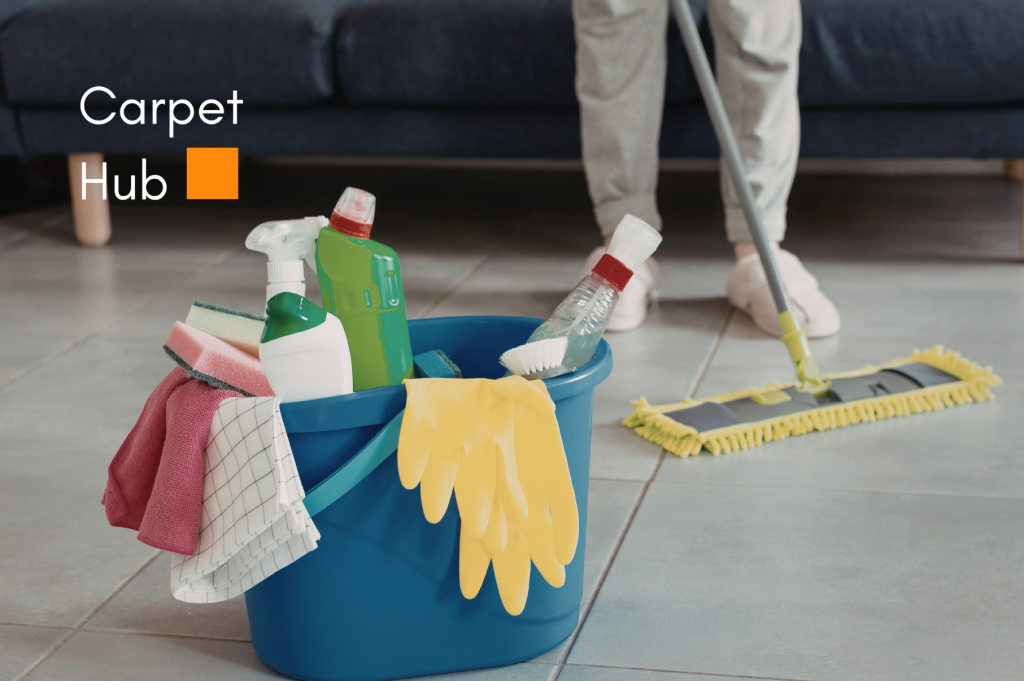
Dip a mop into the solution and wring it out so it is only slightly damp. Using too much water can allow moisture to seep into the adhesive beneath vinyl flooring.
A damp mop helps clean vinyl flooring without leaving excessive residue.
Work across the room, cleaning the floor surface evenly.
After mopping, use another mop with clean water to remove any residue from the cleaning solution. This helps maintain the natural shine of the vinyl floor surface.
Occasionally, deep cleaning vinyl flooring is necessary, especially in high traffic areas where stains, grime, and dirt accumulate.
Deep cleaning focuses on removing stubborn stains, grease, and built-up debris from the surface of the floor.
Step 1: Remove Loose Debris
Begin by using a vacuum to remove dust, loose dirt, and debris from the vinyl floor surface.
Step 2: Create a Natural Cleaning Solution
A mixture of white vinegar and warm water is an effective cleaner for vinyl flooring.
In a bucket, mix:
The mild acidity of vinegar helps break down stains, grease, and grime without using harmful chemicals.
For extra cleaning power, you can add a small amount of baking soda to the mixture.
Step 3: Mop the Floor
Use a mop with the vinegar solution and gently clean the vinyl floor.
The vinegar solution helps lift stains, remove grime, and eliminate odours from fruit juice, lemon juice, or food spills.
Step 4: Scrub Stubborn Stains
For stubborn stains, sprinkle baking soda onto the affected area.
Then use a soft bristle brush or soft brush to gently scrub the surface. The mild abrasiveness of baking soda helps remove stains without damaging luxury vinyl flooring.
Allow the mixture to sit for a few minutes before wiping it away with a damp cloth.
Even with regular maintenance, stains can appear on vinyl floors.
Here are some practical tips for removing common stains.
For grease stains, apply a small amount of dish soap to the affected area, then gently scrub using a soft bristle brush.
Spills like fruit juice or lemon juice can leave stains on vinyl flooring. A mixture of white vinegar and warm water works well to break down these stains.
If paint spills onto the vinyl floor, allow the paint to dry slightly before using a plastic scraper to carefully remove it.
For remaining paint stains, apply baking soda with a damp cloth and gently clean the surface.
Certain cleaning methods can damage vinyl flooring and reduce its lifespan.
Avoid:
Using aggressive chemicals may weaken the coating on the surface, making the floor more vulnerable to scratches and wear.
Proper maintenance will help maintain the appearance and durability of your vinyl floor.
Use Floor Protectors
Install floor protectors on furniture legs to avoid scratches.
Place Rugs in High Traffic Areas
Using rugs in high traffic areas helps prevent dirt from spreading across the floor surface.
Clean Spills Quickly
Allowing spills to sit can cause stains and allow dirt or debris to bond to the surface.
Sweep or Vacuum Regularly
Regular vacuum cleaning removes dust, dirt, and small particles that could cause scratches.
Compared with laminate, stone, or linoleum, luxury vinyl flooring offers several advantages.
While laminate flooring options can be susceptible to water damage, vinyl flooring handles moisture much better.
Similarly, natural stone requires specialist cleaning chemicals, while vinyl floors can be cleaned using simple household products like white vinegar and baking soda.
These benefits make luxury vinyl tiles and lvt flooring a popular choice in modern homes.
Knowing how to clean vinyl tile floor properly helps extend the life of your vinyl flooring and keeps your floor looking fresh.
By following a simple cleaning process, using gentle solutions like white vinegar, and avoiding harsh chemicals, you can easily clean vinyl flooring without damaging the surface.
Regular maintenance, occasional deep cleaning, and quick attention to stains will keep your luxury vinyl flooring looking great for years.
Looking for new vinyl, laminate, flooring or carpet accessories like underlays in Bristol? Carpet Hub has you covered! Give our team a call at 0117 379 0764, or visit our showroom in Bitton, Bristol today to explore our range and get expert advice.
Steam mops are generally not recommended for vinyl tiles or luxury vinyl because the combination of high heat and moisture can soften the material, weaken adhesives, and cause warping, especially along tile seams. Many manufacturers explicitly forbid steam mops in their care instructions, and using one may void your floor’s warranty entirely. Stick to damp mopping with a well-wrung microfiber mop instead.
Frequency depends on foot traffic, but most homes do well with light sweeping several times a week and damp mopping every 1–2 weeks. Kitchens and entrance halls typically need more frequent mopping due to spills and tracked-in dirt, while spare rooms or home offices can often be cleaned monthly as long as spills are wiped up promptly.
Diluted white vinegar (approximately 1 cup in a bucket of warm water) is generally safe for most modern vinyl tiles and works well for cutting grease and residue. Apple cider vinegar can also work but may leave more odour. Never use vinegar undiluted or combine it with bleach. Check your manufacturer’s guidelines and spot-test in an inconspicuous area before using it across your entire floor.
Textured or stone-effect tiles trap more dirt in their grooves, requiring special attention. After sweeping, work a soft brush or microfiber mop along the texture pattern to dislodge grit. For deep cleans, use a slightly stronger but still pH-neutral cleaner and thoroughly rinse and dry the floor to prevent detergent residue from collecting in the texture.